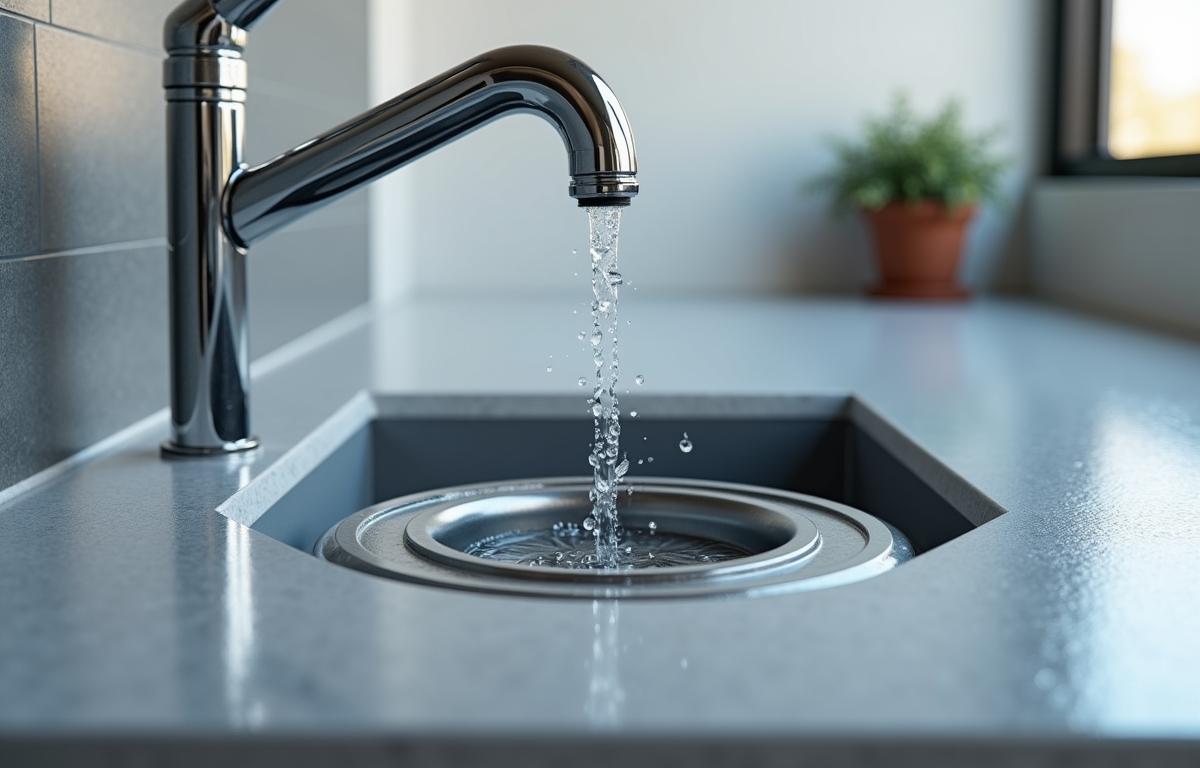
In plumbing, an air gap is crucial to prevent water from reversing direction. You might have seen this setup in a kitchen sink or dishwasher hose, but it applies to many fixtures that connect potable water to drainage systems. This simple yet highly effective arrangement creates a physical separation distance between a faucet’s spout and the rim of a drain or water-containing vessel, preventing any unwanted crossover. By achieving this separation, the risk of introducing waterborne contaminants into supply lines becomes significantly lower.
The Essential Role of Backflow Prevention
Backflow occurs when water reverses its usual flow and travels back into the supply. This reversal can lead to severe water contamination or, in worst-case scenarios, create a cross-connection that allows pollutants to mix with clean water. The goal of an air gap faucet design is to stop this backward flow often caused by pressure drops or siphonage by keeping a visible space between the two lines. Plumbing codes underline the importance of installing these devices in both residential plumbing and commercial plumbing setups because they help maintain plumbing safety across various plumbing systems.
How Air Gap Plumbing Safeguards Water Quality
Air gap plumbing stands at the top tier of sanitary protection strategies. It serves as a critical form of cross connection control, ensuring that wastewater or other pollutants never make their way into drinking water supply lines. Unlike mechanical devices such as non-return valves or vacuum breakers, an air gap relies on physical distance to block contamination. This approach remains fail-safe, as no mechanical parts are needed to stop backflow or siphonage; instead, an open space hinders any possibility of backflow.
Many people also rely on backflow prevention assemblies that use a valve installation approach, but these valves can malfunction over time. With a proper air gap, the separation distance remains visible and easy to verify. This visibility makes quick plumbing inspections and maintenance tips easier to handle, ensuring water quality remains uncompromised.
Key Standards and Plumbing Codes
Regulatory agencies mandate air gap plumbing in areas where there is a high risk of contamination, such as dishwashers, water softeners, and certain commercial sinks. These plumbing standards require a minimum vertical distance between the water outlet and the receptacle’s flood level rim. Health regulations often insist on this design because it offers constant protection with no moving parts involved. In many jurisdictions, the plumbing code includes precise measurements for this gap.
Environmental safety also benefits from strict adherence to these rules. When cross-connections occur, dangerous substances can flow freely into municipal supply lines. Plumbing fixtures equipped with air gaps reduce the likelihood of waterborne contaminants entering the broader water system. This approach not only safeguards households and businesses but also supports community-wide health.
Special Considerations for Residential and Commercial Plumbing
Residential properties frequently see air gap plumbing in kitchens, bathrooms, and laundry areas. The design helps prevent overflows from reaching faucets and lowers the chance of contamination when fixtures integrate with drain pipe connections. In commercial plumbing, the stakes grow even higher because larger volumes of water move through more complex plumbing systems. Facilities such as restaurants, hospitals, and laboratories handle liquids that can threaten public safety if they backflow into the potable water supply.
Plumbing codes generally offer detailed guidelines on how to incorporate air gaps into both new installations and renovations. Certified plumbers often rely on official diagrams highlighting recommended distances and shapes. This clarity equips them to create robust, fail-safe structures that keep harmful contaminants at bay.
Installation Techniques for Reliable Separation Distance
Ensuring a proper air gap demands attention to detail. Many plumbers measure the precise gap between a faucet spout and the flood level rim to comply with local building and health regulations. Some homeowners attempt a do-it-yourself approach, but subtle mistakes can undermine the intended protection. Correctly sealing the drain pipe is important, too, because faulty sealing can create a backflow pathway through hidden gaps.
In some settings, devices like a vacuum breaker or anti-siphon valve might accompany an air gap for extra backflow prevention. Each offering has its pros and cons. An air gap faucet alone might suffice in many residential plumbing setups, while high-risk industries often rely on multiple layers of defense. The general rule is the same across these approaches: maintain a physical or mechanical barrier that stops water from reversing course.
Maintenance Tips for Long-Term Efficiency
Regular checkups are vital to keep air gap plumbing effective for the long haul. Plumbing inspections let you spot corrosion, worn seals, or any hidden leaks that compromise the gap. Leak prevention measures, such as caulking around drainage connections, also protect against small trickles that might go unnoticed. Certified plumbers often recommend a routine schedule for professional checkups in both residential and commercial settings.
Keeping drainage systems clean stands equally important. Over time, debris can clog a drain trap and push water upward toward the faucet spout. Occasionally flushing your drain pipe helps avoid blockages that might eliminate the necessary separation. If you notice any suspicious odors or slow drainage, consult an expert before the situation escalates into an expensive repair.
Why Proper Air Gap Plumbing Matters for Health and Safety
A robust air gap setup removes guesswork. When a faucet is placed high enough above a sink or receptacle, there’s little chance for contaminants to back up into your water supply lines. That level of certainty explains why plumbing standards place such emphasis on physical separation. It ensures that waterborne contaminants stay on the wastewater side, never crossing into drinking or cooking water lines.
Water quality remains essential for day-to-day life, and nobody wants to worry about cross-connection issues. If chemical-laden water from laundry or harsh cleaning solutions backflows into a potable line, the health risks can be significant. Flood prevention is another perk: if a drain becomes clogged, the open gap spares your fixtures from flooding and helps reduce overall damage. When communities adopt these practices, they nurture a broader culture of environmental safety that protects everyone who depends on reliable, clean water.
Large complexes often push significant volumes of water through intricate plumbing systems, and even a small oversight can cause big problems. By following installation techniques and keeping an eye on routine maintenance tips, property owners help preserve water supply safety. This is why many local authorities speak highly of air gap plumbing as a foundational principle of plumbing fixtures design.
For many, the air gap might seem like a simple piece of hardware, but it’s more than that. It’s a silent guardian that keeps potable water free from contamination while improving wastewater management. If you have reservations about how to install a new fixture or upgrade an existing one, contacting certified plumbers offers the surest path to a well-executed project. They can verify that each step from valve installation to the final test meets strict plumbing codes.
Air gaps continue to serve as the gold standard for backflow prevention in both modest homes and large commercial facilities. By ensuring that drain traps and water supply lines remain properly separated, you minimize risks for everyone who relies on your plumbing systems. At the end of the day, safe water remains a cornerstone of healthy communities, and air gap plumbing plays a vital role in achieving that goal.