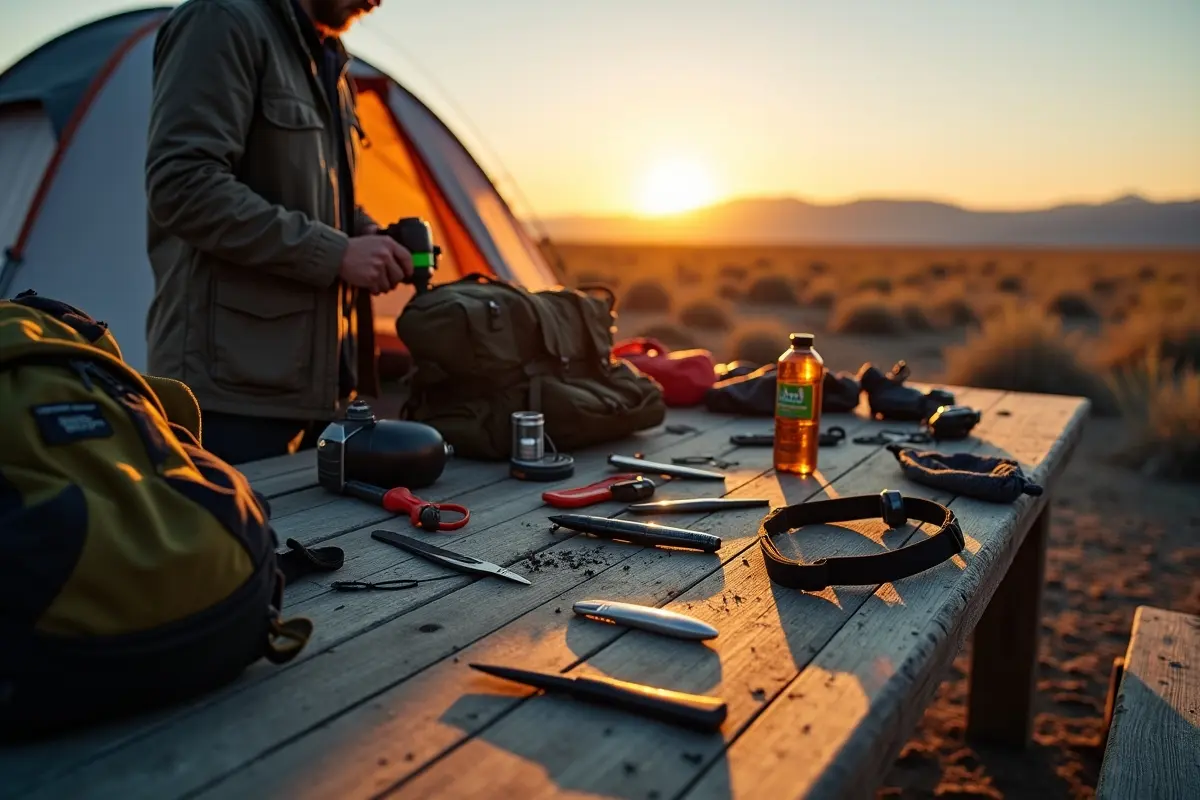
Most gear doesn’t fail because someone used it too hard. It fails because it sat in a stuff sack slightly damp, or a battery corroded in a drawer for two winters, or nobody bothered to check the one rubber part that was quietly doing all the work. The people who get the most life out of high-performance outdoor gear aren’t running some elaborate maintenance schedule – they’ve just learned which component fails first on each piece of kit, and they service that part before it becomes a problem.
That’s really the whole trick. Every piece of technical gear has a weak point. Find it, watch it, and the rest of the product tends to take care of itself.
The real threats aren’t what you think
If you were to ask most individuals what causes damage to outdoor gear, they’ll likely respond with “frequent use.” However, this is hardly ever the case. For instance, exposure to UV rays breaks down nylon and rope molecules, even if the gear is just lying outside on a balcony. If you store gear while it’s still wet, the seams will deteriorate, and mold will start to grow inside the bag holding the tent, even before you’ve had a chance to use the tent a second time.
Again, these are not the result of wear-and-tear. The roots of the problem lie in storage and maintenance, and they can all be easily prevented. A jacket that’s been heavily used for five seasons, and that was properly dried after every outing, will often have a longer lifespan than one that was worn only twice and left moist inside a wardrobe for a whole year. The key takeaway is not “use your gear less frequently,” rather it’s “understand how it can deteriorate even when it’s not in use.”
Flashlights: the LED almost never dies, everything around it does
Flashlights provide the perfect gear analogy where the main component of the tool is nearly indestructible, and the failure always happens somewhere else. In this case, modern LED emitters are rated for tens of thousands of hours of use (LED technology uses roughly 75% less energy and can last up to 25 times longer than incandescent bulbs) – meaning the emitter in your flashlight will outlive the flashlight itself several times over.
What practically kills flashlights are easy-to-replace factors like battery corrosion, cracked O-rings, and worn-out tail switches. Hence, why starting with a light that’s built to be serviced matters more than most buyers realize. If you’re considering a new one, compare the Best Flashlights on the market with replaceable batteries, accessible O-rings, and simple switch assemblies, because a light designed for easy servicing will still be working long after a sealed, non-maintainable model has been thrown out.
Waterproof jackets: the DWR is the first thing to go
The material on a waterproof shell will actually outlive the Durable Water Repellent finish on the face fabric. When water stops beading up and starts soaking into the outside of your jacket, don’t assume it’s time to throw it away. The tiny water-repellent molecules that coat the surface of the fabric like whiskers are shed by regular use and fancy detergents faster than they wear off on their own. Most waterproof jackets and pants can outlast several tubes of DWR renewal gel, a handful of DWR spray cans or a couple of reapplication cycles in a washing machine.
Seam tape is the second thing to watch on any waterproof shell or tent fly. It’s a strip of heat-bonded material over the stitching, and it cracks or peels with age and UV exposure. Once it starts lifting at the edges, it can be reapplied with seam sealant rather than writing off the whole garment.
Tents fail in storage, not in the field
The most common mistake that people make when it comes to tents doesn’t even happen during the assembly. It’s when they pack up a damp or wet tent and stuff it back into its sack. A little bit of moisture is all it takes for mildew to form and the seams to start breaking down and while we’re at it – once mildew gets into the fabric coating, it’s there to stay.
The rule is simple – let a tent air dry completely to ensure it’s moisture-free before you roll it up. You might need to hang it off a shower rail when you arrive home after a trip, but it’s worth it. And for a longer home storage solution, get rid of the stuff sack and use a large cotton sack instead, maybe the one the tent was sold in. This allows the fabric to breathe and keeps the coatings intact, which is something that excessive pressure from a rolled-up tent isn’t going to do.
Hiking boots need slow drying, not fast heat
Hiking boots are exposed to damage on the trail, but they are often destroyed by excessive heat while drying. Placing wet boots near a fireplace or stove is harmful to the adhesives connecting the sole and the upper part of the boot. This is one of the most common causes of boot damage, as the sole becomes unglued long before the rest of the boot is worn out.
After every use, clean them from dirt and mud, and apply proper conditioning or waterproofing material suitable for the boot’s material. For proper drying, leave them to dry in a room temperature place, far from heat sources. This process is longer and requires more time, but it will extend the durability of your boots.
The actual maintenance routine
A few habits will address almost everything that goes wrong with a flashlight over its lifespan:
Remove the batteries before storing the flashlight long-term. Even when not in use, a light stored with alkaline batteries inside can be ruined by battery leakage and corrosion. This happens over time and often goes unnoticed, but by the time you’re trying to use the light it’s too late.
Wipe contact springs and battery terminals with a dry cloth or a tiny bit of isopropyl alcohol on a cotton swab. This is a 30-second operation every couple months and eliminates most of the connectivity issues people think are a “dead” flashlight.
Grease the O-rings with silicone grease, never a petroleum-based lubricant, twice a year. O-rings are what keeps the IP68 waterproof seal on a lot of modern flashlights and a dry or cracked O-ring is the fastest way to turn a submersible light into a foggy or flooded light.
Replace tail-switch boots as soon as they show cracking. That rubber boot is the only thing keeping water out of the switch mechanism and once it splits moisture is running straight into the electronics.
Lithium-ion batteries have their own rules
Most high-output flashlights nowadays are powered by rechargeable lithium-ion cells, which are also generally the pickiest bit to take care of. A couple of good habits go a long way in making these batteries last as long as possible.
First, don’t store the cells completely drained. A lithium-ion cell stored at 0% for an extended period is permanently damaged to a capacity-robbing degree. Somewhere around half to three-quarters full is much less volatile.
Second, don’t charge cells at freezing temperatures. Charging a lithium-ion cell below freezing causes permanent internal lithium plating and that’s not good news for battery life, even if the thing appears to charge up fine.
And don’t leave a flashlight in a vehicle glovebox through summer. Car interiors regularly exceed 140°F in direct sun, well past the safe range for lithium-ion cells, and repeated heat exposure like that shortens battery life dramatically even if nothing fails outright the first time.
Sleeping bags and insulation: loft is the thing you’re protecting
Regardless of whether your sleeping bag contains down or synthetic insulation, the common problem is compression. When you store your sleeping bag in a tight compression sack for a long time, the loft that insulates and traps heat gets crushed. This can lead to a permanent loss of loft over several months or years.
Therefore, use a large, breathable cotton or mesh storage sack at home and only compress the sleeping bag in its appropriate sack when you are packing it for a trip. If it’s already too late and the down insulation has lost its loft, wash it with some special down soap – regular detergent will wash away the oils that help keep down clusters separate. Then dry it on low heat and add a couple of clean tennis balls to the dryer to fluff as they dry.
The post-trip ritual that catches problems early
Many equipment failures are not sudden surprises, but rather disasters waiting to happen. The binding zipper. The shock cord that no longer shocks. The buckle with a crack in the corner of the frame, right where it’s about to fail.
A quick post-trip gear check will catch most of this before the next trip – and a day-hike freeze on the last ridge of the season is a pretty bad time for your pack to pop a buckle. Wipe zippers with a damp towel and apply a little zipper wax. Inspect straps for loose or popped stitches. Test shock cord for elasticity, and remember it will weaken over time even if you store it carefully. Scan buckles and fastex clips for hairline cracks, especially if they’re on a piece of gear that’s a year or two old.
Buy for repairability, not just performance
Typically, the gear that can last you the longest isn’t the gear that’s coming out with the most ground-breaking features. It’s the gear that’s been constructed in a way where its weak points are possible to repair. Stuff like replaceable batteries, easy-to-reach O-rings, easily resealable seams, or reconditionable uppers. When you’re making a purchase involving anything technical, don’t just ask how good it is on the first day, also ask how easy it’ll be to keep it good on the one-thousandth day.
That question alone will steer you toward better gear almost every time, and it turns maintenance from a chore into just knowing what to check.