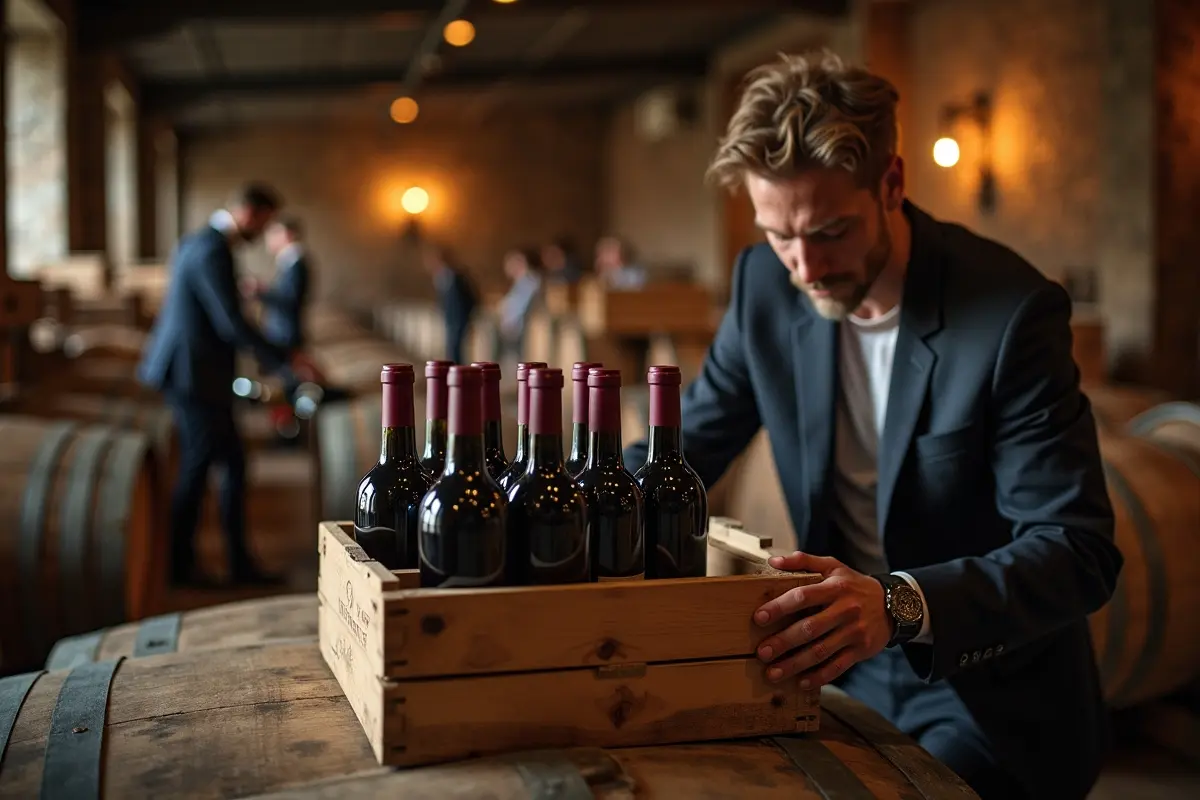
For many people who pluck a bottle off a store shelf, they never consider the delicate dance that brought it there. That bottle made its way through countless hands, might have traveled hundreds or thousands of miles, withstood conditions that could have brought it to its knees, and somehow, made it to the shelf, ready to be consumed. Yet from the winery to the retailer, there’s so much more going on behind the scenes than any winery initially foresees in production.
Why does this matter? Because every single step involves risk. Temperatures cause nuanced palettes to get cooked. No one handles boxes carefully, causing sediment swirl or glass breakage. Transporting delays cause months of aging or missed seasons. Those who do well with distribution are not necessarily wineries producing the best wine, but they’re those who’ve figured out how to manage their product, protect it through every single step without fail.
Contents
Don’t Forget What Happens After Bottling Is as Important as Before
Winemakers fine-tune everything while in the cellar. They monitor fermentation at a single degree, check pH levels on a whim and taste every barrel sample multiple times. Once bottled? They’re out of control. It’s this transition that creates a lot of faults.
However, all the temperate perfecting means nothing if wine is left in a hot warehouse for three weeks or on an unrefrigerated truck in the heat of Arizona sun. Wine is not indestructible, even once bottled. It’s a living, breathing product that still responds in kind, heat causes advanced aged palettes without any vibrancy or clarity to emerge; cold (<32 F) causes corks to expel themselves or stability of tartrate crystals to emerge.
Professional wineries assume what happens after bottling is just as important as what happens before. They specify wine transportation expectations; they check on warehouses; they work with distributors who know what to expect (and what specific wine needs).
Moving The Wine From The Production Floor to The Distribution Network
Once the wine is bottled, labeled, and boxed, it needs to come out of the winery. For small producers staying local, it might simply mean loading trunks of a van full of cases for drop off around town and purchased restaurants. For larger producers attempting to expand their reach, it means finding carriers who can accommodate.
This is where producers start to recognize they can’t do it all themselves. It’s one thing to move a few cases here and there; it’s another to move pallets and pallets across state lines or across the country. Licenses and trucks are needed, and not all wineries are equipped with the tools required in-house. Temperature-controlled trucking isn’t preferred; it’s necessary, especially for premium wines where quality is at risk.
Enlisting the help of specialists protects products during what typically becomes the riskiest phase of distribution. These carriers know temperature thresholds for preservation, recommended treatment of boxes, necessary routing deviations to avoid extreme climate control.
The Warehousing Step No One Talks About
In between leaving the winery and making its way to retail shelves, wine spends time in at least one warehouse. This warehousing step is invisible to most but can go awry often. Warehousing is not created equally; typical storage solutions lack climate control needs and finesse treatment of the wine.
Temperature-controlled warehousing is more expensive than regular storage options. Hence, some distributors will attempt to cut corners, or have no wine-specific options available. It can be more expensive to house wines than build an inventory with other products. But this isn’t sustainable if storage varies between 45 and 85 degrees year-round, leaving wine to be overly aged, overly flabby and bearing no clarity in style.
Supervisors housing wine in relative temperatures (55-65 degrees F) and moderately humid are gold standards along with those who assume proper case stacking (low heights with adequate support), rotation needs (first in first out), damage control during picking/packing implementations.
Why The Last Mile Is the Hardest Mile
Getting wine from a regional distribution center to retail accounts is also not without its woes, the reschedule must accommodate receiving hours. Rerouting must be efficient and cost-effective yet keep wholesale products intact, drivers must know how to properly treat cases, understanding it’s glass.
This final step is how relationships are made or broken, retailers who receive damage cases frequently will find another distributor. Restaurants who consistently get short-changed on shipments will always recall this failure when it matters most with business prospects.
To eliminate any future purchase opportunities is more detrimental than any one-time offense when tons of relationship building were at hand beforehand.
Finally, for smaller wineries, failings during this step often become increasingly common as they downplay the importance of these final mile logistics, focusing on getting the account but failing to follow through consistently.
The Seasonality People Never Prepared For
Certain times of the year make distribution incredibly more complicated than others, summer heat is undeniable; nobody wants their wine left in 95-degree trucks or left sitting on docks ready for delivery. But winter is just as challenging, as wine can freeze up north, expelling corks or cracking bottles.
Holidays throw a further wrench into expectations; warehousing becomes difficult as everyone attempts to move volume before year-end; carriers become busy as trucks need to fill everywhere; windows get smaller as retailers/restaurants want as much wine as possible before their busiest seasons kick into gear.
Successful wineries predict seasonal pinch points, they pre-arrange transportation before summer and winter holidays; they proactively communicate with distributors about needs; they avoid assuming round-the-clock movement through volume industries without adjustments made along the way.
When Things Go Right
When everything works well together, it seemingly is done with magic. Wine leaves the winery perfectly intact and goes through proper transportation, housing and arrives on retailer shelves nicely done, perfectly created expectations from producers are transmitted into consumers’ hands.
This perfect alignment cannot be done without cultivating relationships from production to carrier to distribution channels and retailers looking for assistance from one stop to another without ensuring they’re making use of excess money spent on equipment and helpful facilities.
Those wineries who learn how to successfully distribute don’t just grow faster; they earn a reputation for maintaining quality they’ve worked so hard for thus far. Because no one wants this meticulous vinification gone through the mud when someone else boons from great grapes, which can happen if it’s compromised in transitional steps.
Thus, transitioning from barrel to buyer, with all its ugly nuances, is imperative for cultivating a successful winery outside of just tasting room accommodations.